From July 1 to 3, 2026, I attended the Twenty-Fourth International Conference on New Directions in the Humanities, held at the Nova School of Social Sciences and Humanities in Lisbon, Portugal. On July 3, I presented La techne de la memoria: libros de artista como pensamiento material alongside my colleague Alejandra Gutierrez.
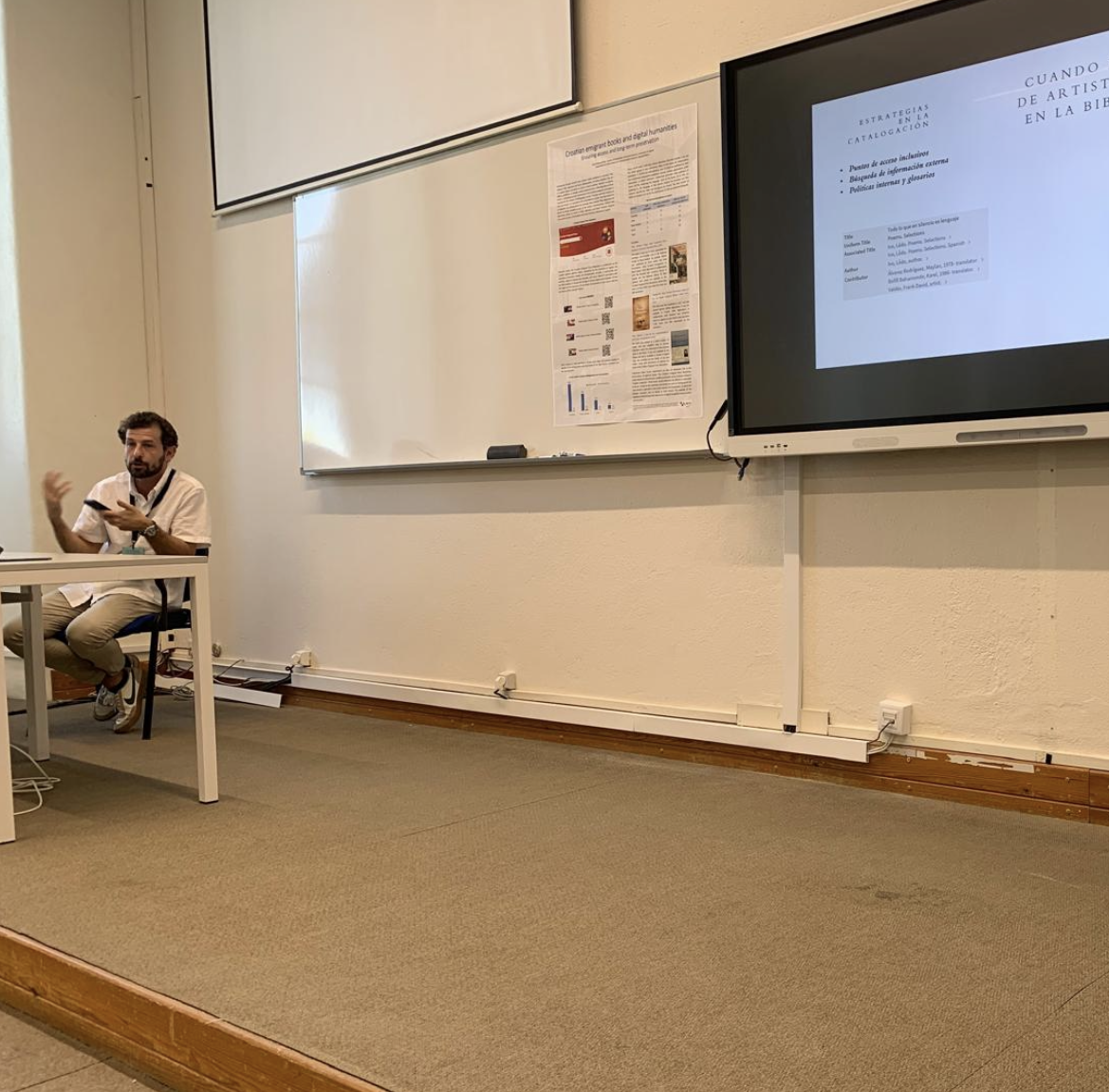
Our presentation explored how artists' books transform poetry into a material and sensory experience rather than simply preserving it as text. Focusing on poems by Cuban writers Dulce María Loynaz and Carilda Oliver Labra, we examined how the Cuban publishing houses Ediciones Vigía and El Fortín reinterpreted their poetry through the artists' book, giving these literary works a new visual, tactile, and material presence.
I focused on the challenges of cataloging artists' books. These works don't always fit neatly into traditional cataloging practices because they are books, but also works of art. Describing them means paying attention not only to their content, but also to their materials, construction, and artistic features. I discussed how catalogers can approach these challenges and make these works easier for library users to find and explore.
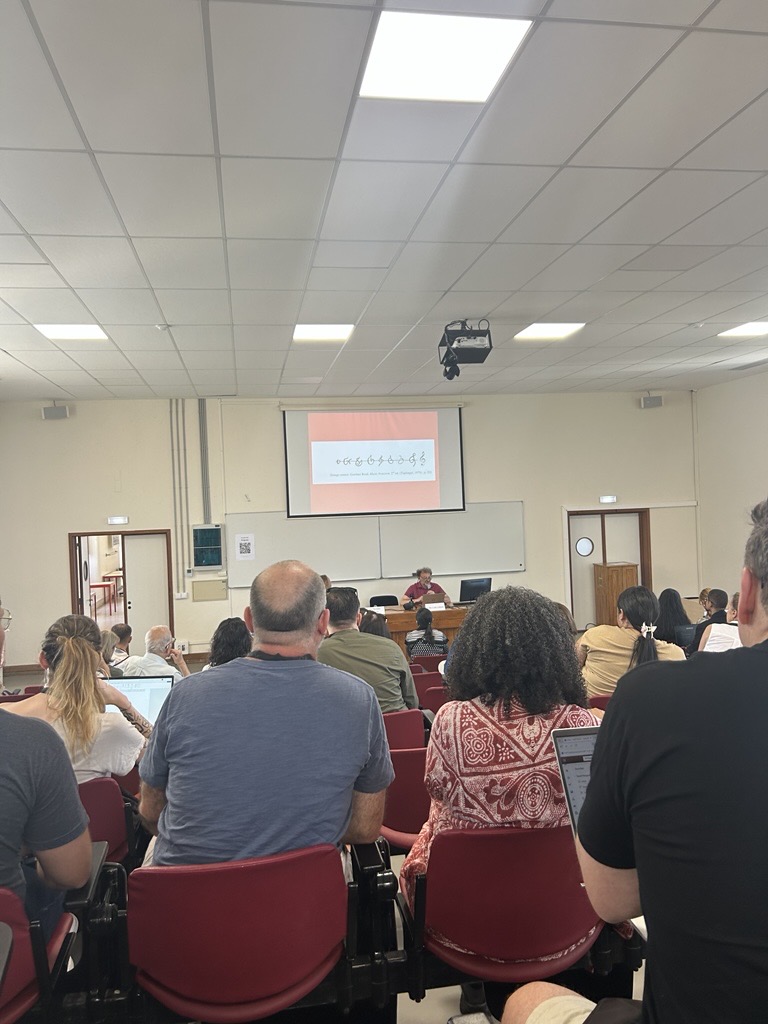
I found this conference particularly interesting because it focused on the humanities rather than specifically on librarianship, unlike many of the professional events I usually attend. It was a chance to approach artists' books from a different perspective and hear about research and projects outside my usual professional field.
One talk I particularly enjoyed was Edición independiente en Colombia desde una aproximación estética y política, by Miller Gallego. He discussed independent publishing in Colombia as a form of cultural and political resistance, looking at three dimensions of editorial independence: aesthetic, political, and economic. What I found especially interesting was how independent publishers challenge traditional commercial models and create opportunities for voices that might otherwise struggle to find a place in the publishing industry.
He shared three examples: Presa del Mundo, which emerged during Colombia's social unrest and connects literature with political activism; La Valija de Fuego, influenced by anarchist and punk ideas and built around solidarity and self-management; and Cajón de Sastre, which works with rural and Indigenous communities to share their stories. I particularly liked his point that independent publishing is not simply about operating outside major publishing houses. It is also about finding different ways to produce and distribute books, often through artisanal and collective practices, while questioning the influence of capitalism on publishing.
← Back to Professional Activity